 Diablo II is often praised for its mechanics and atmosphere, but its storytelling deserves equal credit. Released in 2000 by Blizzard North, the game doesn’t rely on long dialogue trees or constant exposition. Instead, it borrows heavily from film language. Camera movement, editing, framing, and sound design do much of the narrative work, and even D2r items feel like carefully placed props that reinforce the mood without needing explanation. The result feels less like reading a story and more like watching fragments of a dark, broken film unfold around you. What makes Diablo II stand out is restraint. It tells its story by implication, pacing, and visual choice. These are techniques filmmakers have used for decades, adapted here to an interactive medium.
Cinematic framing and the power of the cutscene
The most obvious film influence appears in Diablo II’s pre-rendered cutscenes. These sequences are short, deliberate, and spaced far apart. Each one feels like a carefully placed chapter break rather than a reward or spectacle.
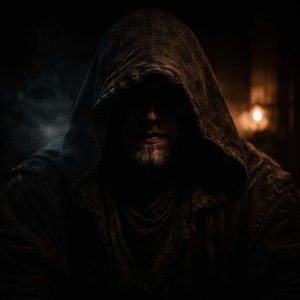
The opening cinematic sets the tone immediately. A single character, Marius, addresses the camera directly. His face fills the frame. The background is dark and undefined. This is a classic confessional setup, standard in psychological thrillers. The choice tells the player that this is not a heroic tale. It’s a story about guilt, obsession, and failure.
Camera angles reinforce that mood. Low light obscures faces. Shots linger longer than expected. When the Dark Wanderer appears, the framing often keeps him partially hidden or viewed from behind. This mirrors horror film techniques where withholding visual clarity builds dread. Diablo II rarely shows you what you want to see. It lets your imagination do the work.
Editing also matters. The cutscenes avoid rapid pacing. Transitions are slow, sometimes uncomfortable. Silence is allowed to stretch. In film, this kind of pacing signals seriousness and weight. Diablo II uses it to make the story feel inevitable, like something already doomed before the player arrives.
Environmental storytelling as visual montage
Outside of cutscenes, Diablo II relies on environments the way films use establishing shots. Every act introduces a new location with a strong visual identity. Tristram’s ruins, Lut Gholein’s sun-bleached stone, Kurast’s rot and overgrowth, and the hellscapes of the later acts all communicate narrative information without explanation.
This is visual storytelling through setting. You understand that Tristram has fallen before anyone tells you. The broken buildings, scattered corpses, and muted color palette do the talking. In cinema, this is the equivalent of a post-disaster wide shot that replaces dialogue with imagery.
Diablo II also uses repetition like a film uses motifs. The return to Tristram is especially effective. Players remember it from the first game as a place of relative safety. Seeing it destroyed creates emotional contrast. That contrast works the same way a film sequel revisits a familiar location to show the cost of time and failure.
The camera perspective helps too. The fixed isometric view functions like a constantly pulled-back camera, similar to surveillance or battlefield shots in war films. You are always slightly distant from your character. That distance reinforces the idea that you are witnessing events larger than any single hero.
Sound design and voice as narrative tools
Film storytelling depends heavily on sound, and Diablo II follows suit. Music is sparse and carefully chosen. Each act has themes that match its emotional tone rather than its level of action. Quiet stretches are common. Combat doesn’t drown out atmosphere.
Voice acting is used sparingly, which gives it weight. Characters like Deckard Cain speak slowly, with pauses that feel intentional. This mirrors how films use limited dialogue to emphasize wisdom or age. When important lines are spoken, the game often pulls back and lets the sound stand alone, much like a cinematic close-up paired with a monologue.
Even enemy sounds matter. The growls, whispers, and distant screams create off-screen space, a classic horror technique. You hear danger before you see it. That anticipation builds tension in the same way a film score signals an approaching threat.
The Dark Wanderer as a moving protagonist
One of Diablo II’s most film-like choices is its use of the Dark Wanderer as a narrative anchor. He functions almost like a roaming main character in a parallel film. You follow his trail rather than driving the story forward yourself.
This structure mirrors chase narratives in cinema, where the audience pieces together events from aftermaths and secondhand accounts. You’re constantly arriving late. The destruction has already happened. That delay creates a sense of helplessness that fits the game’s themes.
Importantly, the Wanderer is rarely explained outright. His story unfolds visually and through implication. This respects the audience, trusting players to connect dots without explicit answers.
In Summary
Diablo II tells its story the way a disciplined film does. It trusts silence. It uses framing, pacing, and environment instead of constant explanation. Its cutscenes feel purposeful, not decorative. Its world design carries narrative weight. Even its distance from the player reinforces the theme.
By borrowing film techniques and adapting them to interactivity, Diablo II avoids the traps of overexposition and melodrama. The story feels ancient, grim, and unavoidable because it’s shown rather than announced. That’s why, decades later, its narrative still lingers. Not because it says more, but because it knows when to stay quiet.